


How to understand math is one of the most common challenges for children as they begin learning numbers, operations, and problem solving. Many young learners feel that math is difficult not because they lack ability, but because they have not yet developed the right way to understand it. Math becomes easier when children are guided with the right methods that build comprehension step by step.
At eiMaths, with over 20 years of experience in mathematics education, we believe that every child can learn to understand math better when learning is made clear, structured, and meaningful. Strong math comprehension is not about memorizing answers but about understanding how and why numbers work.
This article explores effective study methods that help children understand math easily and develop confidence in solving problems, including word problems.
How to Understand Math Easily Using Simple Learning Steps
Children often feel overwhelmed when math looks too complicated. Learning how to understand math easily starts with breaking down lessons into small and simple steps.
Instead of solving large problems at once, children should be guided to solve one step at a time. This helps reduce confusion and builds confidence.
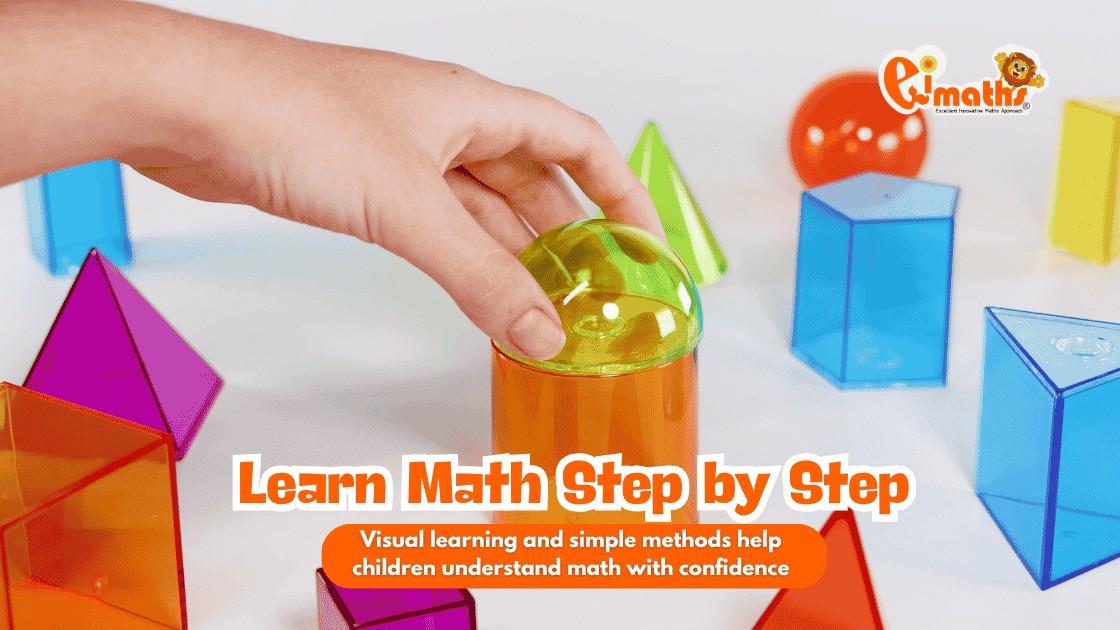
Visual learning is also very helpful. Using objects like blocks, drawings, or number lines allows children to see math in a concrete way. When abstract ideas become visible, they become easier to understand.
Repetition is also important. Practicing small sets of problems regularly helps children become more familiar with patterns in math, making the subject feel less intimidating over time.
Effective Study Methods for Improved Math Comprehension
Effective study methods play a key role in helping children develop strong math understanding. One of the best methods is active learning, where children engage with the material instead of just reading or listening.
Active learning can include solving problems out loud, explaining answers to others, or using physical objects to represent numbers. This helps children process information more deeply.
Another effective method is spaced practice. Instead of studying everything at once, children learn better when they practice math regularly in short sessions. This improves memory and understanding over time.
Mistake correction is also very important. When children review their mistakes and understand why they happened, they learn more effectively than simply moving on to the next question.
How to Understand Math Word Problems Step by Step
Many children struggle when trying to understand math word problems because they combine reading and math skills at the same time. Learning how to understand math word problems requires a clear and structured approach.
The first step is identifying important information in the question. Children should learn to highlight or pick out numbers and keywords that tell them what is being asked.
The second step is understanding what the question is asking. Instead of rushing to calculate, children should first restate the problem in their own words.
The third step is choosing the correct operation, whether it is addition, subtraction, multiplication, or division. Visual aids like drawings or diagrams can help make the problem clearer.
Finally, children should check their answer to make sure it makes sense in the context of the question.
| Study Method | How It Works | Benefit for Children |
| Concept-Based Learning | Focuses on understanding meaning instead of memorizing formulas | Builds deep understanding of math concepts |
| Visual Learning | Uses objects, drawings, and visual aids to explain ideas | Makes abstract math easier to understand |
| Step-by-Step Problem Solving | Breaks problems into smaller and simpler steps | Reduces confusion and overwhelm |
| Active Learning | Children learn by speaking, doing, and explaining | Improves understanding and memory retention |
| Spaced Practice | Short and consistent practice sessions over time | Strengthens long-term math memory |
These methods help children move from simply memorizing math to truly understanding it.
Why Understanding Math Matters for Children
Understanding math is not just about getting the right answer. It is about building logical thinking, confidence, and problem-solving skills. When children learn how to understand math better, they become more independent learners who are not afraid of challenges.
Children who understand math concepts deeply are also better at applying knowledge in different situations. This helps them in school and in real-life problem solving.
Building this foundation early ensures long-term success in mathematics.
Simple Daily Habits to Improve Math Understanding
Children can improve their math comprehension through small daily habits. Practicing a few questions every day is more effective than long study sessions once in a while.
Encouraging children to explain their thinking also strengthens understanding. When they talk through their answers, they process the information more clearly.
Using math in daily life, such as counting objects or measuring ingredients, helps children see that math is everywhere, not just in school.
Conclusion
How to understand math is a journey that requires patience, practice, and the right learning methods. When children learn how to understand math better through conceptual learning, visual tools, and structured study methods, they begin to see math in a clearer and more meaningful way.
At eiMaths, we believe that every child can learn to understand math easily when given the right support. By focusing on understanding instead of memorization, children can develop strong math comprehension, confidence, and curiosity that will support them throughout their learning journey.