


How to identify signs of early math difficulties in kindergarteners is an important topic for parents and educators who want to support children during their early learning journey. At this stage, children are still developing early numeracy skills, so it is normal for them to learn at different paces. However, noticing early signs of struggle can help provide the right support before small difficulties become bigger challenges.
At eiMaths, with over 20 years of experience in early mathematics education, we believe that every child has the ability to build strong numeracy foundations when given the right guidance. Understanding what are early numeracy skills and how children develop them is the first step in identifying whether a child may need additional support.
This article explains common signs of early math difficulties and how to support children in developing strong early numeracy skills.
What Are Early Numeracy Skills in Young Children
Early numeracy skills refer to the basic understanding of numbers and mathematical concepts that children develop before formal schooling. These include recognizing numbers, counting objects, understanding quantity, and identifying simple patterns.
These foundational skills are essential because they prepare children for more complex math concepts later in school. Without strong early numeracy skills, children may find it harder to understand addition, subtraction, and problem solving.
Understanding what are early numeracy skills helps adults recognize what typical development looks like and when a child might need extra support.
How to Identify Signs of Early Math Difficulties in Kindergarteners
One of the most important steps in how to identify signs of early math difficulties in kindergarteners is observing how children interact with numbers in daily activities. Children who struggle may not always show obvious signs, but consistent patterns can indicate difficulty.
Some common signs include difficulty counting objects one by one, confusion when recognizing numbers, or trouble understanding which quantity is larger or smaller. Some children may also avoid math-related activities or become frustrated easily when asked to solve simple problems.
Another sign is difficulty remembering number sequences. For example, a child may skip numbers while counting or repeat numbers without realizing it. These patterns suggest that early numeracy skills are still developing and may need more structured support.
How to Develop Early Numeracy Skills Effectively
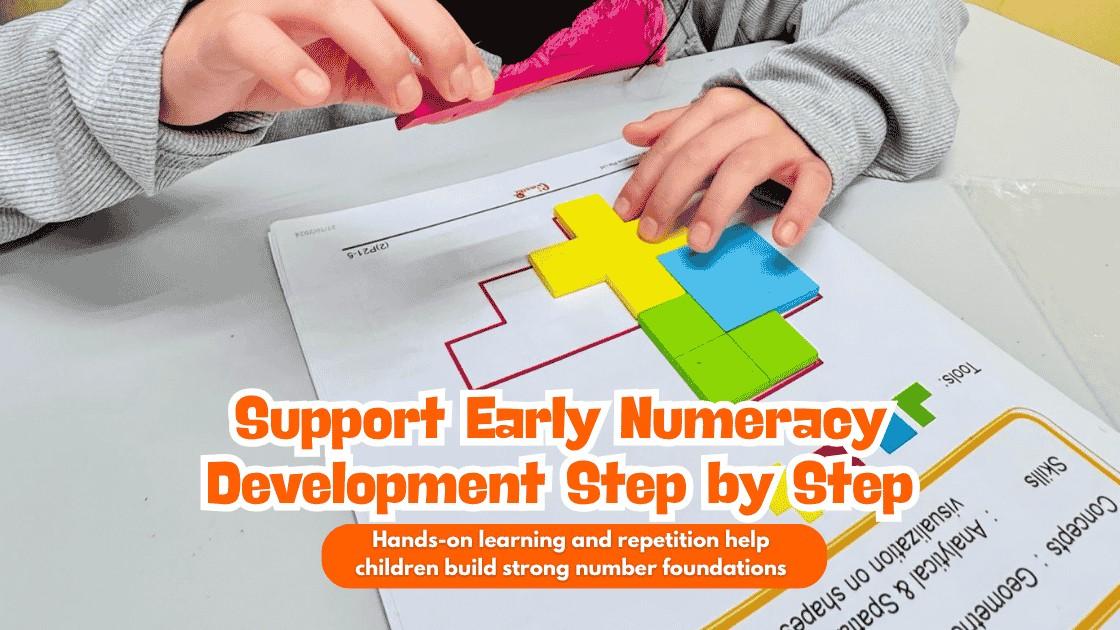
How to develop early numeracy skills in young learners requires patience, repetition, and meaningful learning experiences. Children learn best through hands-on activities that allow them to see and touch numbers in real life.
Using physical objects such as blocks, toys, or everyday items helps children connect numbers with quantity. When children count real objects, they begin to understand that numbers represent actual things, not just abstract symbols.
Daily routines also play an important role. Simple activities like counting steps, counting snacks, or identifying numbers in the environment help strengthen early numeracy skills naturally.
Encouraging children to talk about numbers and explain their thinking also improves understanding. When children verbalize their reasoning, they become more aware of how numbers work.
| Behavior | Possible Interpretation | Support Strategy |
| Struggles to count objects correctly | Early numeracy skill still developing | Use one-to-one counting practice |
| Avoids math activities | Possible math anxiety or lack of confidence | Use one-to-one counting practice |
| Confuses number order | Weak number sequencing skill | Practice counting songs and repetition |
| Difficulty comparing quantities | Needs visual support | Use objects to compare sizes and groups |
| Forgets simple number patterns | Developing memory for numbers | Use daily routine repetition |
How Teachers and Parents Can Support Children
Support plays a key role in helping children strengthen early numeracy skills. Instead of focusing on mistakes, it is more effective to focus on progress and effort.
Breaking tasks into smaller steps helps children feel less overwhelmed. Giving children enough time to think also reduces pressure and builds confidence. Encouragement is very important because it helps children feel safe when learning math.
Play-based learning is especially effective at this age. When math is introduced through games and fun activities, children become more engaged and less fearful.
Simple Activities to Strengthen Early Numeracy Skills
Children can improve early numeracy skills through simple daily activities. Counting toys during playtime, sorting objects by color or size, and identifying numbers in books or signs are all helpful practices.
Board games that involve dice or counting steps also help children strengthen number recognition and sequencing. These activities make learning natural and enjoyable instead of stressful.
The key is consistency. Short, regular practice is more effective than long study sessions.
Conclusion
How to identify signs of early math difficulties in kindergarteners is an important step in supporting children’s learning journey because it helps parents and educators respond early and appropriately. When adults understand what are early numeracy skills, they are better able to recognize what typical development looks like and when a child may need additional guidance or practice.
It is important to remember that every child develops at a different pace. Some children may grasp number concepts quickly, while others need more time, repetition, and hands-on experiences to fully understand them. Early challenges do not always indicate long-term difficulties, but they do signal the need for patient and consistent support.
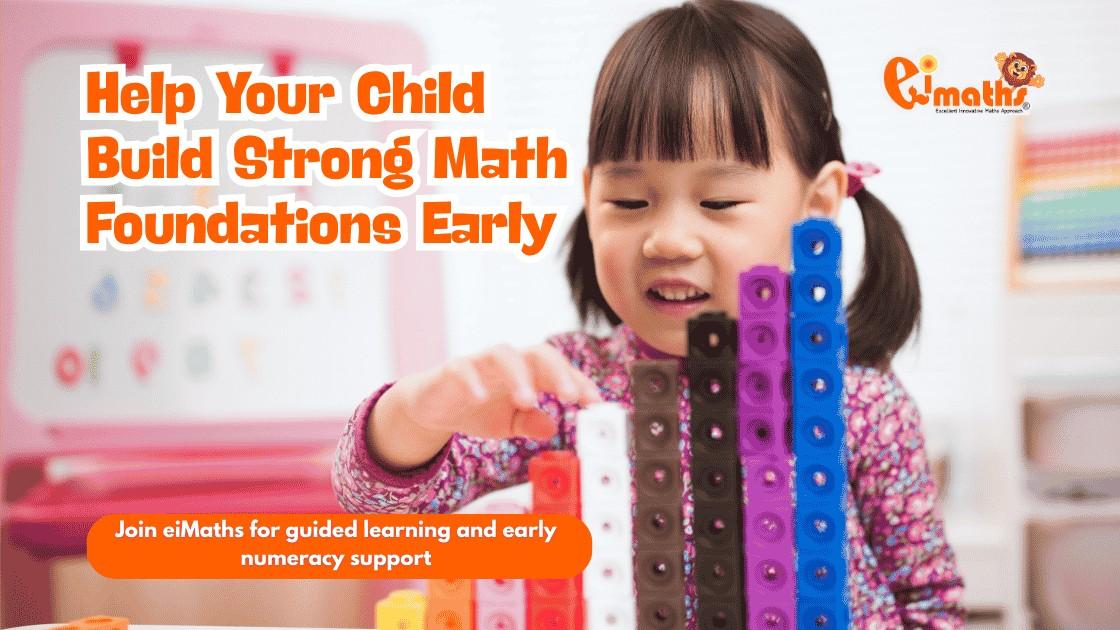
At eiMaths, we believe that every child has the potential to build strong mathematical foundations when learning is supportive, engaging, and meaningful. By focusing on how to develop early numeracy skills through play, daily routines, visual learning, and positive encouragement, children can gradually strengthen their understanding and confidence in numbers. With the right environment, children not only improve their math skills but also develop curiosity and a positive attitude toward learning that lasts beyond the classroom.