


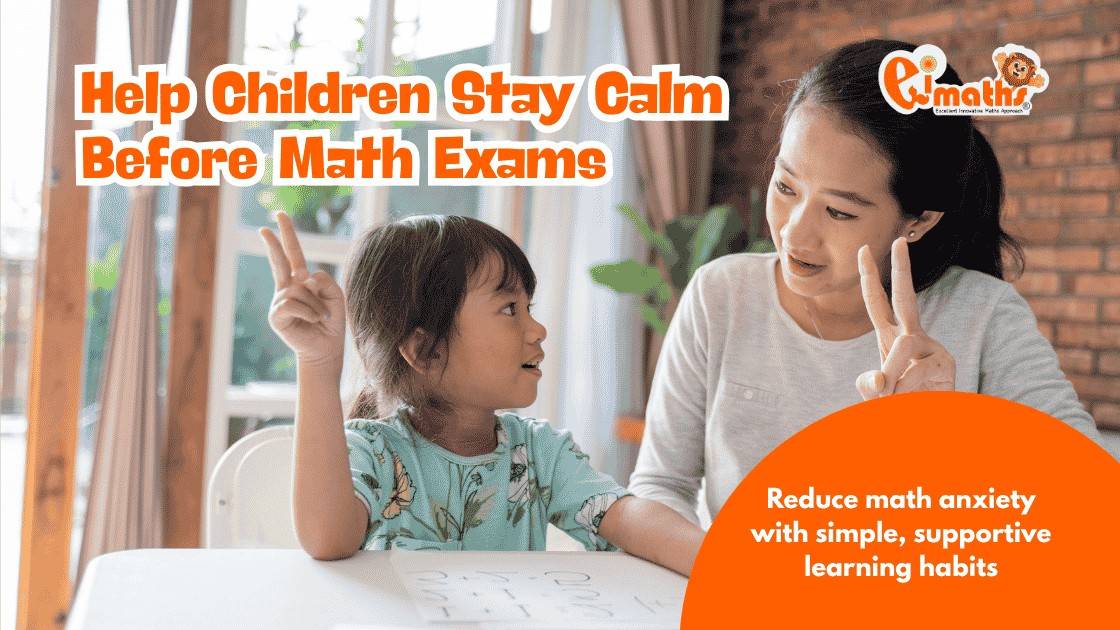
What are effective techniques to reduce stress before a math exam is an important question for parents and educators who support children experiencing anxiety in mathematics. Many young learners feel nervous when facing math tasks, especially during tests or timed activities. This feeling is normal, but without proper support, it can affect their confidence and performance.
At eiMaths, we understand that students anxiety in mathematics often starts early in childhood when math feels rushed, confusing, or intimidating. With over 20 years of experience in mathematics education, we believe that children learn best when they feel safe, supported, and encouraged. Reducing stress is not about removing challenges, but about helping children approach math with calmness and confidence.
This article explores simple and effective ways to help children manage anxiety in mathematics and feel more confident before a math exam.
Understanding Anxiety in Mathematics for Children
Anxiety in mathematics in children often appears as hesitation, fear of making mistakes, or avoidance of math activities. Some children may freeze when they see numbers, while others may rush through problems without thinking clearly. These reactions are not signs of low ability, but signs that the child is feeling pressure.
Students anxiety in mathematics usually comes from fear of being wrong, time pressure, or negative past experiences. When children believe that math is “too hard” or “scary,” their brain becomes stressed, making it harder to think clearly during exams.
Understanding this helps adults respond with patience instead of pressure.
What Are Effective Techniques to Reduce Stress Before a Math Exam for Children
One of the most effective answers to what are effective techniques to reduce stress before a math exam for children is creating a calm and predictable preparation routine. Children feel safer when they know what to expect.
Instead of last-minute studying, short and regular practice sessions help children feel more familiar with math problems. This reduces fear because the material feels known rather than new or overwhelming.
Another helpful technique is practicing in a playful way. When math is introduced as a game or activity instead of a test, children feel less pressure and more curiosity.
Breathing exercises can also be very helpful. Teaching children to take slow, deep breaths before starting a math task helps their body relax. Even a few seconds of calming breathing can reduce tension and improve focus.
Encouraging words from parents or teachers also make a big difference. Simple phrases like “Take your time” or “You can try step by step” help children feel supported instead of judged.
Gentle Strategies to Reduce Students Anxiety in Mathematics
Students anxiety in mathematics can be reduced when learning feels manageable and encouraging. Here are some gentle strategies that work well for children:
- Break math problems into small, simple steps
- Allow children to explain their thinking out loud
- Focus on effort instead of only correct answers
- Use visual aids like blocks or drawings
- Give children enough time without rushing them
These approaches help children feel more in control of their learning and reduce fear during math tasks.
Building Positive Study Habits for Young Learners
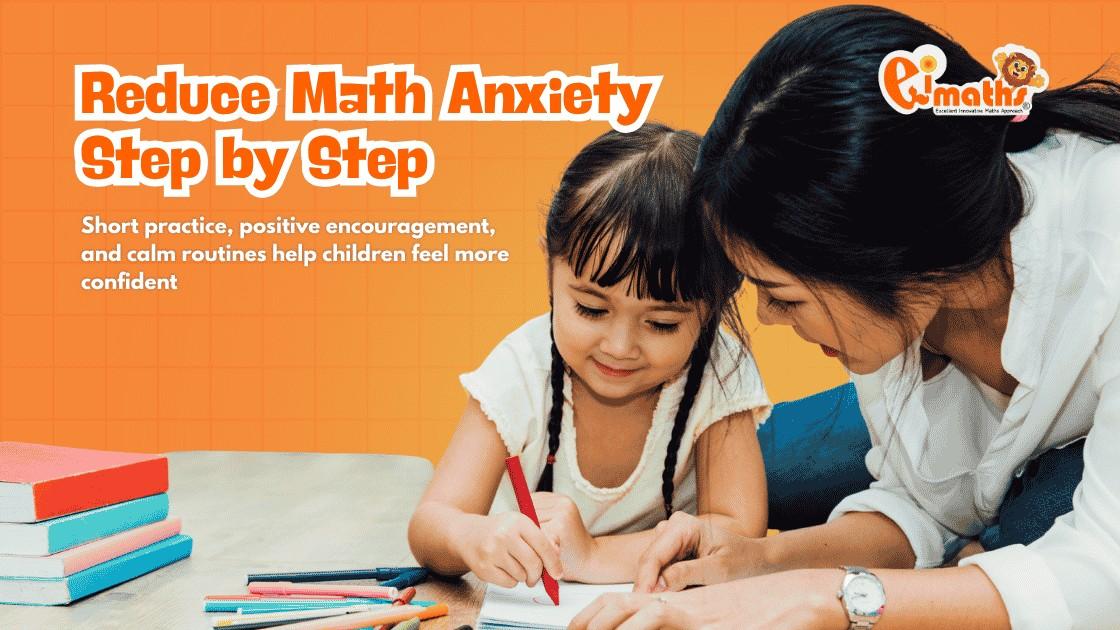
Good habits can slowly reduce anxiety in mathematics by making learning more predictable and less stressful. Children benefit from short and consistent practice rather than long and tiring study sessions.
A calm study environment also helps. A quiet space with minimal distractions allows children to focus better. When children feel relaxed while learning, they are more likely to understand and remember concepts.
It is also important to celebrate small progress. When children feel that their effort is recognized, their confidence grows and anxiety decreases over time.
| Technique | How It Helps Children | When to Use |
| Deep breathing | Calms nerves and body tension | Before starting a test or math task |
| Step by Step Solving | Makes problems feel easier | During practice or exams |
| Math as Games | Reduces pressure and increases fun | During learning sessions |
| Positive Encouragement | Builds confidence and safety | Before and after tasks |
| Short Practice Sessions | Prevents overwhelm | Daily learning routine |
These simple techniques can be easily used at home or in class to support children who feel nervous about math.
How Confidence Helps Reduce Math Anxiety
Confidence plays a very important role in reducing students anxiety in mathematics. When children believe they can try, even if they are not perfect, they become more willing to engage with math problems.
Mistakes should be seen as part of learning, not failure. When children are encouraged to try again without fear, their anxiety naturally decreases.
Over time, this builds a growth mindset where children understand that math ability improves with practice.
Simple Pre-Exam Routine for Children
A gentle routine before a math exam can help reduce anxiety in mathematics. This might include reviewing a few easy questions, taking deep breaths, and receiving positive encouragement from an adult.
It is also important that children sleep well before the exam. A rested mind is calmer, more focused, and better at solving problems.
Avoiding last-minute pressure is key. Instead, children should feel that they are prepared and supported.
Conclusion
What are effective techniques to reduce stress before a math exam is not only about academic preparation but also about emotional support and confidence building. Anxiety in mathematics and students anxiety in mathematics can be reduced when children feel safe, encouraged, and understood.
At eiMaths, we believe that every child can develop a positive relationship with mathematics when learning is guided with patience, structure, and care. By combining simple study routines, calming techniques, and supportive teaching methods, children can approach math with confidence instead of fear.